


Crypto Seating Chart ensures your blockchain event, meetup, or conference runs smoothly by optimizing attendee placement, boosting networking, and enhancing collaboration.
When planning a successful crypto event, whether it’s a blockchain conference, a crypto meetup, or an investor networking session, one often overlooked yet crucial detail is the crypto seating chart.
Yes, the arrangement of chairs, tables, and attendee placement can make or break networking opportunities, collaboration, and the overall attendee experience. In this guide, we’ll explore what a crypto seating chart is, why it matters, and practical strategies to design one that fosters connection and engagement.
What Is a Crypto Seating Chart?
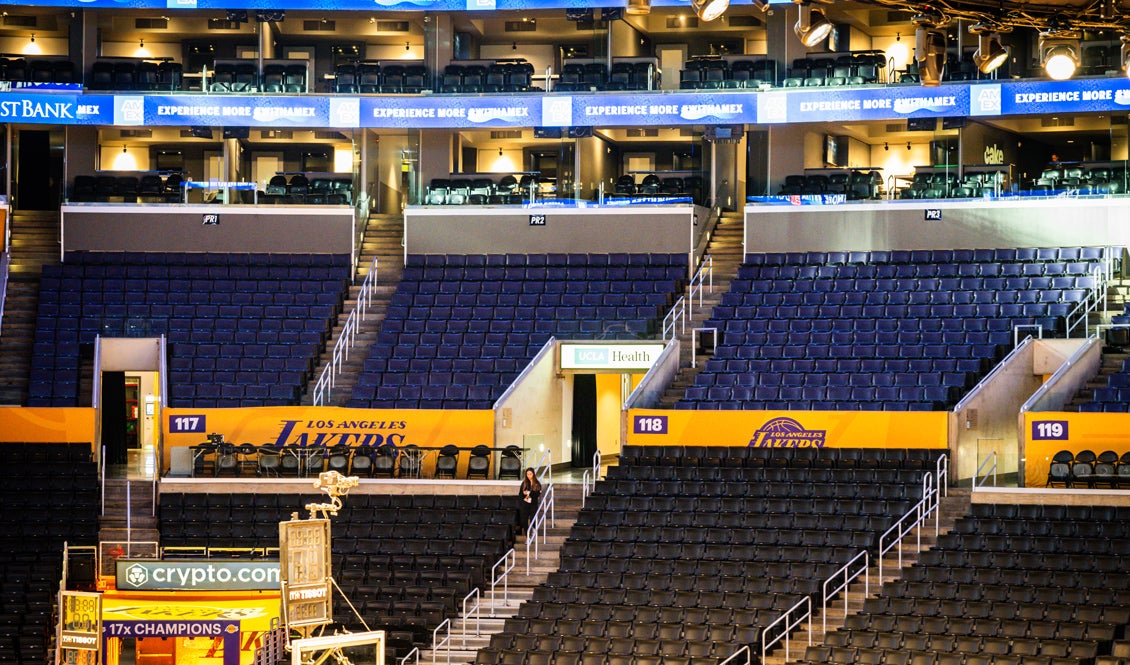
A crypto seating chart is essentially a blueprint that dictates where attendees sit during a crypto-focused event. Unlike traditional events, crypto events often involve participants with diverse backgrounds developers, investors, entrepreneurs, regulators, and media professionals.
A thoughtfully designed seating chart ensures that each attendee has a chance to connect with relevant people, encouraging meaningful discussions about blockchain innovations, crypto trends, and investment opportunities.
Think of it as a matchmaking tool for your event. By strategically placing attendees, you can enhance networking, facilitate panel discussions, and create an environment conducive to collaboration.
Why a Crypto Seating Chart Matters?
You might wonder why seating is so important. Here’s why:
-
Improved Networking Opportunities
Networking is the lifeblood of the crypto community. A crypto seating chart can pair new attendees with industry veterans, investors with promising startups, or developers with potential collaborators. This intentional placement sparks conversations that might not happen organically. -
Enhanced Event Flow
Whether it’s a panel discussion, workshop, or roundtable, a well-organized seating plan ensures attendees are in the right spots to participate effectively. It reduces distractions and helps moderators and speakers engage with the audience more efficiently. -
Better Attendee Experience
A chaotic seating arrangement can make even the best event feel disorganized. By planning where attendees sit, you create a sense of order, professionalism, and thoughtfulness that participants will appreciate. -
Targeted Collaboration
Many crypto events aim to foster partnerships, collaborations, and investments. A strategic seating chart can position complementary skill sets together—think developers next to marketing experts or blockchain startups beside potential investors.
Practical Tips for Creating a Crypto Seating Chart
Designing a crypto seating chart doesn’t have to be stressful. Here are some practical tips to make it effective:
1. Understand Your Audience
Before placing anyone, analyze the attendee list:
-
Industry role: Developer, investor, entrepreneur, journalist, regulator.
-
Company type: Crypto exchange, blockchain startup, enterprise, media outlet.
-
Networking goals: Collaboration, investment, knowledge-sharing.
This will help you create a seating plan that maximizes meaningful interactions.
2. Decide the Seating Style
Different crypto events call for different layouts:
-
Theater-style: Ideal for large conferences with keynotes or panel discussions.
-
Round tables: Perfect for small groups or workshops, encouraging intimate discussions.
-
U-shape or classroom: Useful for presentations with interaction, Q&A, and group exercises.
3. Mix and Match Attendees Strategically
Avoid clustering attendees from the same company or background. Instead, mix:
-
Developers with investors
-
Startups with potential partners
-
Newcomers with seasoned professionals
This creates a dynamic environment that encourages collaboration and knowledge exchange.
4. Use Digital Tools
Several software solutions can simplify crypto seating chart planning:
-
Event management platforms: Many allow interactive seating maps.
-
Excel or Google Sheets: Simple yet effective for smaller events.
-
Dedicated seating apps: Tools like Social Tables or AllSeated help visualize arrangements and make adjustments quickly.
5. Incorporate Flexibility
Crypto events often attract last-minute attendees. Leave a few open seats or tables to accommodate changes without disrupting the overall layout.
6. Communicate Clearly
Send attendees their seating assignments ahead of time via email or event apps. Clear signage at the venue also helps people find their spots effortlessly.
Use Cases for a Crypto Seating Chart
Here’s how a crypto seating chart can be applied across different scenarios:
-
Blockchain Conferences: Assign seats for VIP investors close to the stage while encouraging smaller roundtable discussions for startups to showcase ideas.
-
Crypto Meetups: Group attendees by interest—DeFi, NFTs, crypto trading—to spark conversations with similar passions.
-
Workshops and Hackathons: Place participants with complementary skills together to maximize learning and output.
-
Investor Dinners: Ensure strategic seating so investors can meet promising startups while encouraging cross-industry discussions.
Common Challenges and How to Overcome Them
No plan is without obstacles. Here are some challenges and solutions:
Challenge 1: Diverse Attendee Interests
Solution: Categorize attendees by interest areas or experience levels, and then create zones or tables accordingly.
Challenge 2: Last-Minute Attendees

Solution: Keep flexible seating options like unassigned tables or reserve a few spots for walk-ins.
Challenge 3: Overcrowding
Solution: Ensure venue capacity matches attendee count and assign extra chairs only if necessary. Safety and comfort should always be a priority.
Challenge 4: Difficulty in Predicting Networking Dynamics
Solution: Leverage past event data or attendee surveys to understand interaction patterns and preferences. Use this insight to craft a seating chart that encourages meaningful conversations.
Additional Tips for Crypto Event Planners
-
Name Tags & Table Cards: Include attendee names and roles for easy identification.
-
Themed Tables: Group tables by crypto topic (DeFi, NFTs, blockchain development) to facilitate focused discussions.
-
Icebreaker Activities: Start the event with group introductions or mini networking games to break initial awkwardness.
-
Feedback Loops: Post-event surveys can help understand how seating arrangements affected networking success, guiding improvements for the next event.
The Benefits of a Thoughtful Crypto Seating Chart
Implementing a well-planned seating chart can result in:
-
Stronger connections between attendees
-
Increased chances of collaboration or investment
-
Positive reviews and feedback from participants
-
A reputation for professional, well-organized events
Ultimately, it transforms a simple meetup or conference into a highly effective networking ecosystem.
Conclusion
A crypto seating chart is more than just a list of who sits where—it’s a strategic tool that enhances networking, collaboration, and overall attendee satisfaction. By understanding your audience, choosing the right layout, mixing attendees wisely, and leveraging technology, you can design seating that maximizes engagement and creates meaningful experiences.
Remember, even small adjustments like table themes, clear signage, or flexible seating options can make a significant difference. For any blockchain event planner or crypto enthusiast, investing time in your seating chart is an investment in the success of your event.


